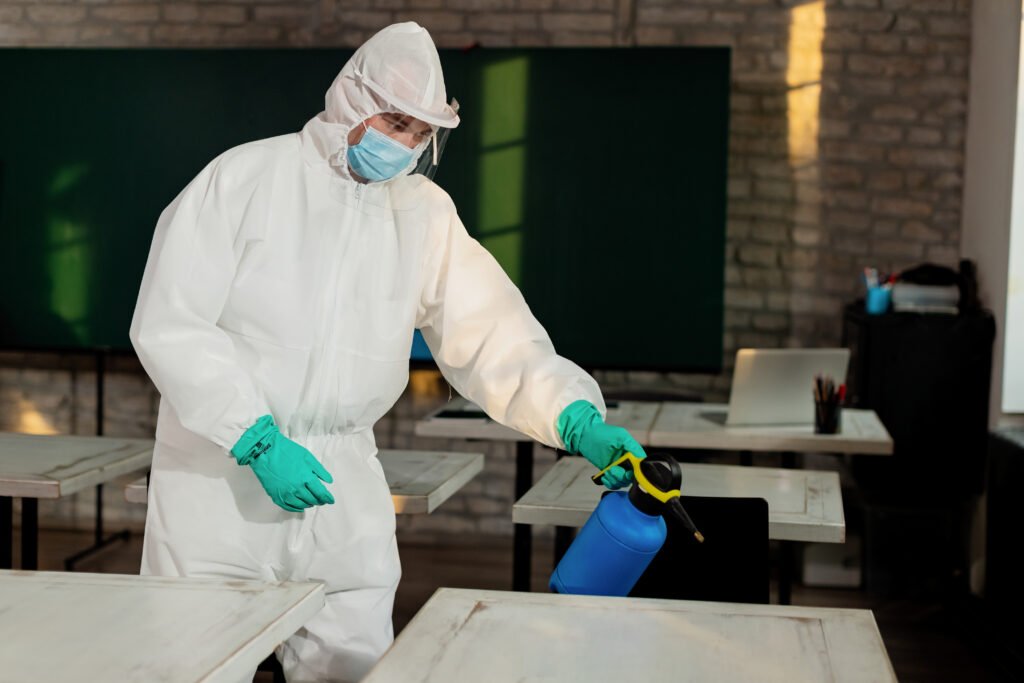
Pest control Dubai isn’t a one-size-fits-all service, and treating a cockroach problem the same way you’d treat termites is why so many households end up calling the same company twice. Dubai’s climate, its central AC systems, and the mix of high-rise apartments and sprawling villas all create different pest pressure points, and each pest type needs a different chemical, application method, and follow-up schedule to actually go away.
This guide breaks down what works, what doesn’t, and what a fair AED price looks like for each situation.
Why Dubai Homes Are a Magnet for Pests
Heat and humidity are the obvious culprits, but the real driver in Dubai is building design. Apartment towers run centralised AC and shared ducting, which means a cockroach or bedbug problem in one unit can travel through wall cavities and shared risers into a neighbour’s home even if that neighbour keeps a spotless kitchen. This is why pest control in Dubai apartment blocks sometimes needs a building-wide approach rather than a single-unit treatment, especially in older towers in Deira, Bur Dubai, and parts of Al Barsha where ducting and pipe seals haven’t been upgraded in years.
Villas face a different set of triggers. Garden irrigation, soil contact with the foundation, and timber elements in older villas in Jumeirah, Mirdif, and Al Barsha create ideal termite conditions. A villa with a well-watered lawn right up against the building wall is, structurally speaking, inviting termites to the foundation.
Seasonal patterns matter too. Cockroach and ant activity spikes as outdoor temperatures climb past 40°C and pests move indoors chasing shade and moisture. Mosquito activity tracks standing water after rare but heavy rain events. None of this is unique to Dubai in concept, but the scale and speed of it are, given how quickly a small infestation multiplies in a warm, humid kitchen.
Cockroach Treatment: Gel Baiting Beats Spraying
Spray-only treatments kill what’s visible and leave the nest untouched, which is why DIY cans of insecticide rarely solve a real cockroach problem. Professional cockroach treatment in Dubai relies on gel baiting combined with crack-and-crevice application. The gel gets carried back to the colony by the roaches that feed on it, which knocks out the nest instead of just the roaches you can see.
Most licensed providers pair gel baiting with a residual spray in high-traffic zones like under the fridge, behind the stove, and inside cabinet hinges. Expect visible improvement within two to three days and near-complete elimination of adult roaches within a week, with a follow-up visit built into most service packages to catch the egg cycle that survived the first round. An active infestation typically needs monthly treatment until it clears, then a quarterly maintenance visit to keep it that way.
Bed Bug Treatment: Heat or Chemical, Rarely Both at Once
Bed bugs are the one pest where DIY intervention almost always fails and often makes things worse, since disturbing a mattress or moving furniture without treating it first just spreads the infestation to a new room. Two professional methods dominate in Dubai: chemical spray treatment on mattress seams, bed frames, and upholstery and heat treatment that raises room temperature above 55°C to kill bugs and eggs without any chemical residue.
Heat treatment costs more but suits properties where chemical exposure is a concern, such as homes with infants, or where speed matters, since it can clear a room in a single session versus the two-visit cycle typical chemical treatment requires. Chemical treatment is the more common and more affordable route for standard apartments and remains highly effective when the technician treats every piece of furniture in the room, not just the bed.
Termite Control: Soil Treatment for Villas, Baiting for Everyone Else
Termites are almost exclusively a villa problem in Dubai because they need soil contact to reach a structure, and most apartment towers sit on concrete slabs with no direct earth access. For villas, the standard approach is a soil treatment with termiticide applied around the entire foundation perimeter, sometimes combined with baiting stations placed at intervals around the garden to intercept colonies before they reach the building.
Pre-construction termite treatment during a villa build is far cheaper and more effective than post-construction remediation, so if you’re renovating or extending a villa, ask your contractor whether termiticide barrier treatment is included in the groundwork. For existing villas, an annual termite inspection catches early activity before it becomes structural, and property owners in older villa communities should treat the inspection as a standing item on the maintenance calendar rather than a reactive call.
Rodent, Ant, and Mosquito Control: Different Pests, Different Playbooks
Rodents respond to bait stations and mechanical traps placed along walls and near entry points, not spray treatment, since the goal is exclusion and elimination rather than surface kill. A technician worth hiring will also flag the actual entry point, whether that’s a gap under a garage door or a service duct penetration, because trapping without sealing just means the next rat finds the same hole.
Ants get gel bait and targeted spray along trail lines, usually in kitchens and bathrooms where food and moisture overlap. Mosquito control in Dubai is handled through thermal fogging or misting around outdoor areas, gardens, and balconies, and it’s one of the few pest categories where Dubai Municipality also runs its own public spraying in common outdoor areas, though that only covers shared spaces, not your private balcony or garden.
Cost of Pest Control Dubai (AED)
Pricing depends heavily on property size, pest type, and infestation severity, and quotes across the market vary widely depending on what’s actually included. As a general reference for standard residential treatments in Dubai:
| Property / Service | Typical Range (AED) |
|---|---|
| Studio apartment, general treatment | 140 – 300 |
| 1–2 bedroom apartment, general treatment | 250 – 600 |
| 3+ bedroom apartment, general treatment | 350 – 900 |
| Villa (per bedroom count), general treatment | 400 – 2,500 |
| Bed bug treatment (per room, chemical) | 300 – 800 |
| Bed bug heat treatment | 600 – 1,500+ |
| Termite soil treatment (villa perimeter) | 800 – 3,000+ |
| Severe/commercial infestation | 2,000 – 5,000+ |
These figures reflect standard market rates across licensed Dubai providers and should be treated as a planning range, not a fixed quote. Always get a written quote that specifies the pest type, treatment method, number of visits, and warranty period before booking.
DIY vs Professional: Where the Line Actually Sits
A single ant trail or the occasional roach sighting can sometimes be managed with store-bought bait stations and basic hygiene fixes: sealing food, fixing minor leaks, and cleaning under appliances. But once you’re seeing pests during the day, finding droppings, or dealing with anything involving bed bugs, termites, or rodents, professional treatment stops being optional. DIY sprays disturb the surface population without touching the nest, which often makes an infestation harder to treat later because the survivors scatter and become bait-shy.
If you’re a tenant, document any infestation in writing to your landlord immediately. Structural pest issues like termites or rodents entering through the building fabric are generally the landlord’s responsibility, while infestations tied to tenant hygiene or behaviour, like a poorly maintained kitchen, may fall on the tenant. This split isn’t always clear-cut, so a written record protects both sides.
Choosing a Licensed Pest Control Provider in Dubai
Dubai Municipality regulates pest control under activity code 8121003, and only DM-licensed companies can legally offer these services. Verify a provider’s licence before booking, and ask specifically whether the products used are DM-approved, since unlicensed operators sometimes cut costs by using unregistered chemicals that create real health risks for occupants and pets.
For commercial properties, restaurants, hotels, and healthcare facilities, DM mandates valid pest control certificates and often requires documented service reports for inspections, with a monthly contract typically expected for food businesses rather than the quarterly cycle that suits most homes. Building owners and management companies that ignore these requirements face fines starting at AED 500 and climbing to AED 50,000 for repeated violations, so a paper trail isn’t just good practice; it’s protection.
How often should I schedule pest control in Dubai?
For most homes, a quarterly maintenance treatment (four visits a year) keeps pest activity under control. Active infestations need monthly visits until resolved, then a shift to quarterly upkeep.
Is pest control in Dubai safe for children and pets?
DM-approved products are safe for occupied homes when applied correctly, and gel baiting in particular carries low exposure risk since it’s applied in small, targeted amounts. For spray or fumigation treatments, occupants and pets should vacate the treated area for the time the technician specifies, usually one to three hours, and longer for fumigation.
Do I need to leave my home during treatment?
For gel baiting and most spot treatments, no. For spray-based general treatment, plan to vacate for a few hours. For fumigation, the property needs to be fully sealed and vacated for the treatment period, which your technician will confirm in advance.
Who’s responsible for pest control, the landlord or the tenant?
It depends on the source. Structural issues, termites entering through the building, rodents through shared ducting are typically the landlord’s responsibility. Infestations linked to how a unit is kept, food storage, cleanliness are more often the tenant’s. Put any dispute in writing early.
Why does pest control in Dubai apartments sometimes need a building-wide approach?
Shared AC ducting and wall cavities let pests move between units, so treating a single apartment doesn’t always solve a problem that’s actually building-wide. If pests keep returning after treatment, ask your building management whether neighbouring units or common areas need inspection too.
Get Your Home Pest-Free
Whether it’s a single cockroach sighting or a termite concern in an older villa, matching the right treatment to the right pest is what actually solves the problem instead of masking it for a few weeks. Book a DM-licensed pest control visit through quickresponse and get a technician who diagnoses before they treat.
Leave a Reply